 Tick Control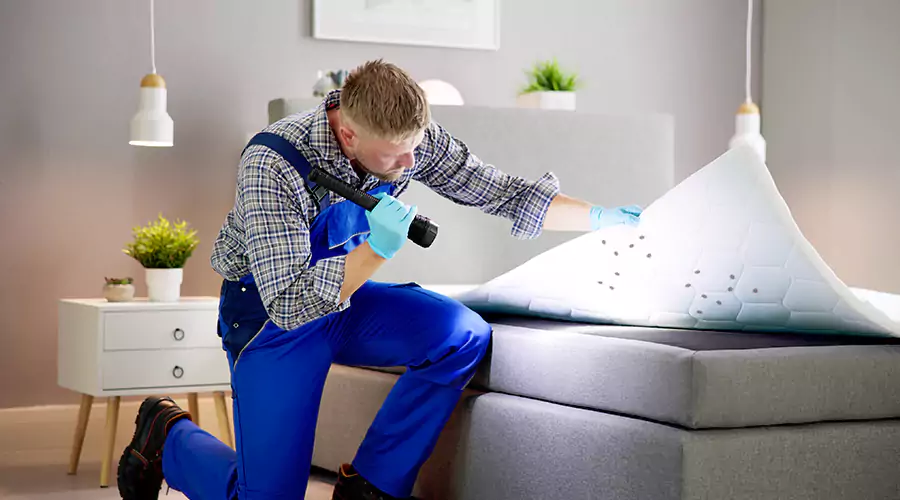
 Google Reviews
 (679)
(679)


Proudly American

 Termite Control
 Bed Bug Treatment
 Rodent Control
 Cockroach Control
 Ant Control
 Mosquito Control
 Bee Control
 Wildlife Control
 Exterminator Control
Finding bed bugs in your home can feel stressful and uncomfortable. Bed bugs are small, hard to spot, and good at hiding in mattresses, furniture, baseboards, luggage, clothing, and small cracks. Many homeowners panic when they see one, but the most important thing is to stay calm and take the right steps.
Bed bugs can spread when items are moved from room to room, when bedding is carried through the house, or when furniture is thrown away without care. A rushed response can make the infestation harder to control. The best approach is to confirm the signs, avoid spreading them, document what you find, and contact a professional pest control company.
This guide explains what to do if you find bed bugs in your home and what mistakes to avoid.
The first step is to confirm whether the pest is actually a bed bug. Bed bugs are usually small, flat, oval shaped, and reddish brown. Adult bed bugs are about the size of an apple seed, while younger bed bugs can be smaller and lighter in color.
Look for other signs near sleeping or resting areas, including:
If you are unsure, take a clear photo and save the insect in a sealed bag or container if possible. This can help a pest control professional identify it.
One of the biggest mistakes homeowners make is moving bedding, clothing, furniture, or luggage into other rooms. This can spread bed bugs to new areas of the home.
Do not move items unless you have a plan to contain them. If something must be moved for cleaning, place it in a sealed plastic bag first. Keep affected items separate from clean items.
Avoid sleeping in another room to escape bites. Bed bugs may follow you because they are attracted to people while they rest. This can spread the infestation beyond the original room.
It may feel tempting to throw away a mattress, couch, or bed frame after finding bed bugs. However, this is not always necessary and can sometimes spread the problem.
Carrying infested furniture through the home may drop bed bugs or eggs in hallways, stairs, or other rooms. Leaving furniture outside without labeling it can also spread bed bugs to other people.
Before throwing anything away, ask a pest control professional whether the item can be treated. Many items can be treated if the infestation is handled correctly.
Bed bugs usually hide close to where people sleep or rest. Start by inspecting the mattress, box spring, bed frame, headboard, and nearby furniture. Use a flashlight and check slowly.
Common hiding spots include:
Do not tear apart the room aggressively. A careful inspection is helpful, but disturbing hiding areas too much can cause bed bugs to scatter.
Bedding, clothing, and washable fabrics should be handled carefully. Place affected items directly into sealed plastic bags before carrying them to the laundry area. This helps prevent bed bugs from falling off during transport.
Wash items according to fabric instructions and use heat drying when possible. Heat can help kill bed bugs and eggs when applied correctly. After drying, place clean items in new sealed bags or clean containers until the treatment process is complete.
Items to handle carefully include:
Do not place clean laundry back into an infested room unless it is sealed or the room has been treated.
Clutter gives bed bugs more places to hide. However, clutter should be handled carefully so the infestation does not spread.
Sort items slowly and place them in sealed bags or containers. Avoid moving piles of clothing, books, papers, or boxes into other rooms without containment. Items that cannot be washed may need inspection or professional guidance.
Reducing clutter helps the pest control technician inspect and treat the room more effectively.
Vacuuming can help remove some visible bed bugs, eggs, and debris, but it will not solve the infestation by itself. If you vacuum, focus on mattress seams, bed frames, baseboards, furniture cracks, and carpet edges.
After vacuuming, remove the vacuum contents carefully. Place the bag or debris in a sealed plastic bag and dispose of it outside. Clean the vacuum as needed so bed bugs do not remain inside.
Vacuuming is only a support step. Professional treatment is usually needed for complete control.
Many homeowners use store bought sprays as soon as they find bed bugs. Some products may kill visible bugs, but they may not reach hidden eggs or bed bugs inside cracks. Using sprays incorrectly can also create safety concerns or cause bed bugs to scatter.
Avoid spraying bedding, mattresses, furniture, or rooms without reading and following the product label. Do not mix chemicals or use outdoor products indoors.
Professional treatment is safer and more effective because it targets bed bug hiding spots and may include follow up steps.
Bed bugs are difficult to remove without professional help. They hide in tiny spaces, reproduce quickly, and can survive in areas homeowners may miss. A pest control professional can confirm the infestation, inspect all likely hiding places, and recommend a treatment plan.
Professional bed bug treatment may include:
The treatment plan depends on the size of the infestation, the layout of the home, and how far the bed bugs have spread.
Everyone in the home should follow the same precautions. If one person moves bedding, furniture, or clothing without care, bed bugs can spread.
Make sure household members avoid:
Clear communication helps keep the problem contained until treatment begins.
After treatment, prevention matters. Bed bugs can return if they are brought in again through travel, used furniture, shared laundry, or visitors’ belongings.
Helpful prevention steps include:
Early detection can stop a small issue from becoming a larger infestation.
If you find bed bugs in your home, stay calm and avoid spreading them. Confirm the signs, do not move items to other rooms, avoid throwing furniture away too quickly, wash fabrics carefully, reduce clutter, and call a professional pest control company.
Bed bugs are difficult to remove with DIY methods alone because they hide in small spaces and may spread if handled incorrectly. Professional inspection and treatment can help control the infestation and protect your home from further activity. Acting quickly and carefully gives you the best chance of stopping the problem.